What ear wax actually does
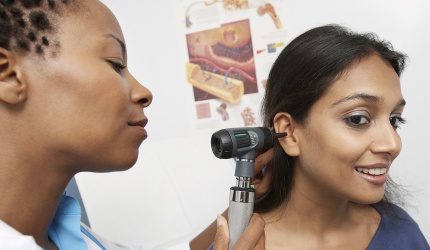
Far from being “dirty”, ear wax (cerumen) is there to protect you. It traps dust and debris, keeps the ear canal moisturised, and has natural antibacterial properties. In most people the ear is self-cleaning, and wax slowly migrates out on its own. Problems only start when it’s produced faster than it clears, or gets pushed back in.
Signs you may have a wax build-up
A blockage rarely announces itself dramatically. Watch for:
- Muffled or reduced hearing, often in one ear
- A feeling of fullness or pressure in the ear
- Earache or mild discomfort
- Tinnitus: ringing, buzzing or humming
- Itchiness in the ear canal
- Occasional dizziness
- A blocked feeling that doesn’t clear when you swallow or yawn
Symptoms often come on gradually, which is why many people don’t realise how blocked they were until the wax is removed and their hearing returns.
What causes excessive ear wax?
Some people are simply prone to it, but common contributors include:
- Narrow or hairy ear canals that trap wax
- Hearing aids, earphones or ear plugs, which can block the natural exit route
- Cotton buds, which push wax deeper and compact it (see our guide on why you should never use cotton buds)
- Age: wax tends to get drier and harder over time
When to see a professional
Most wax clears by itself, but it’s worth booking a professional removal if you have:
- Persistent muffled hearing or a blocked feeling
- Earache, tinnitus or dizziness that won’t settle
- A build-up affecting your hearing aids
- Any pain, discharge or bleeding: see a clinician promptly, as this may signal infection rather than simple wax
If you do book, our microsuction ear wax removal is water-free, and our guide to microsuction vs ear syringing explains the difference.
Sounds familiar? Book gentle microsuction ear wax removal in Stockport and clear the blockage safely.
Ear wax removal in Stockport