This is a general guide to help you understand your options. At our clinic we use microsuction exclusively, for the safety reasons set out below. You can read about our approach on the ear wax removal service page whenever you’re ready to book.
The three main ways to remove ear wax
Not all wax removal is the same, and the method matters more than most people realise:
- Microsuction: a thin, low-pressure suction device gently lifts wax out, with no water involved.
- Irrigation: warm water is pushed into the ear canal under controlled pressure to flush wax out.
- Syringing: the older manual water-syringe method.
How microsuction works
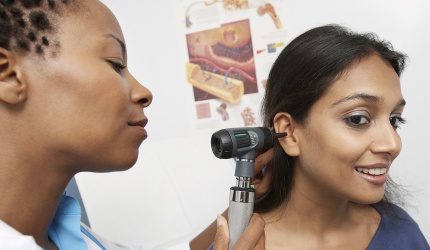
Microsuction is carried out under magnification, so the clinician can see exactly what they’re doing throughout. Because no water enters the ear, the canal stays dry and the procedure is clean, quick and well-controlled. You’ll hear a soft whooshing sound, but it’s painless for the vast majority of people.
How syringing and irrigation work
Both flush the ear with water to dislodge wax. They can be effective, but pushing water and pressure into the canal carries more risk, and they’re generally not recommended for anyone who has had a perforated eardrum, grommets, previous ear surgery, or a history of ear infections.
The safety comparison
| Method | Water used? | Visibility | Safety profile |
|---|---|---|---|
| Microsuction | No | Full, under magnification | Safest: suitable even with perforations or grommets |
| Irrigation | Yes | Limited | Generally safe, but not for some ears |
| Syringing | Yes (manual) | Limited | Higher risk |
This is why microsuction is the method we use. If you’re not sure which approach suits your ears, you can ask when you book, and our guide to the symptoms of excessive ear wax explains when it’s worth getting a blockage looked at.
Want gentle, water-free microsuction? See how our ear wax removal service works and book an appointment in Stockport.
Ear wax removal in Stockport